Online · Skin knowledge · Theory
Microneedling Theory
The science of controlled injury, device types, depths, indications and aftercare. Theory before practical training.
About this course
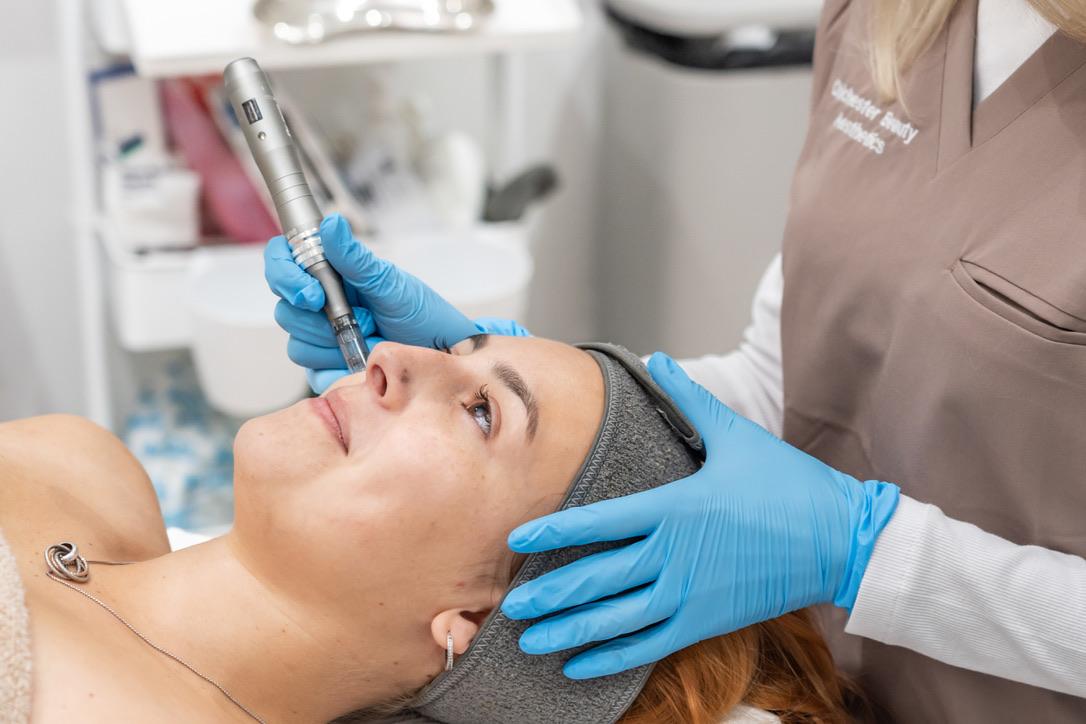
Microneedling relies on the skin's own wound-healing response. This course explains that response, the difference between device types, needle depth by area and indication, treatment intervals, combination with topical products, and the contraindications and hygiene standards that keep it safe.
It is theory and professional development. Practical competence requires supervised hands-on training.
Who it is for: Beauty professionals and skin practitioners.
What you will be able to do
- Explain the wound-healing mechanism behind microneedling.
- Compare device types and their appropriate use.
- Select depths and intervals by area and indication.
- Apply contraindications, hygiene and single-use standards.
- Plan aftercare and recognise complications.
Course content
1.Science and devices
- The wound-healing mechanism
- Device types and needle depth · knowledge check
2.Planning and safety
- Indications, intervals and combinations
- Contraindications, hygiene and aftercare · knowledge check
3.Final assessment
Pass mark 80%. Academy certificate on passing with every lesson complete.
The Beauty Aesthetics Academy is an Approved Provider with The CPD Group (#779331). Provider status is separate from the accreditation of an individual course; this course: cpd accreditation planned.
Theory and professional development. This online course provides theory and professional development. It does not, by itself, confirm hands-on practical competency. Where practical competency is required, appropriate supervised practical training and assessment should also be completed. The Academy delivers that practical training in Chichester, Petersfield and Eastergate.
Ready to train practically?
Continue your training with the Academy in Chichester, Petersfield and Eastergate.
This online course is theory. The practical course below is where the treatment is taught, supervised, on live models.